

Author: Dr. Farhat Naz
Co-author: Dr. Beenish Janjua
Case Scenario:
Shafique a 70 years old male was admitted with complaints of persistent nose bleeding and lethargy for last 2 days.
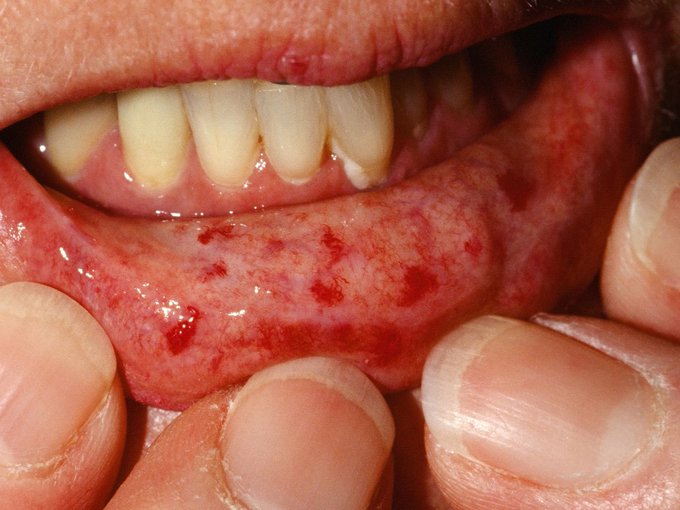
According to patient he had frequent nose bleeds since childhood. The episodes consisted of minor as well as prolonged nose bleeds for which he used to visit the doctor. His first cautery was done at the age of 10. He was not informed by doctor regarding any diagnosis and does not remember any workup done for his nose bleeds. The bleeding episodes have worsened for last 4 years and he used to have repeated admissions and blood transfusions monthly. His last cautery for excessive nosed bleed was done 2 1/2 years back.
On systemic inquiry, He does not have any other complaints except mild shortness of breath on exertion and occasionally having fresh blood in stools.
Past History: He has history of multiple admissions for nose bleeds and blood transfusions. History of cautery twice for nose bleeds. Patient has hypertension for last 7 years and had episode of minor stroke 7 years ago which improved without hospitalization.
Family History: Patient has a strong family history of similar type of nose bleeds. His father had similar problem, one of his uncle also having nose bleeds, two of his own children, one male and one female and one of his grand lchildren have same problem with frequent nose bleeds. He also had family history of hypertension. His father had hypertension and brother is also hypertensive. No history of diabetes, heart or kidney disease in family.
Drug History: He used to take vitamins, iron, off and on prednisolone for joints pain for last 4 years. He is not compliant with his hypertension medicine. He never had allergy to any drug. He used to take tranexamic acid to stop episodes of bleeding.
Personal history:
He is a retired teacher, married having 7 kids, cousin marriage. He smoked for 15 years but now has quit smoking for last 25 years. He has normal diet, appetite and bowel habits. He occasionally gets blood in stools.
Socio- economic history: He lives in village having own cemented home. Two of his sons are earning well and overall economic condition is good.
Physical Examination:
An elderly pale looking male, with nasal packing sitting in bed.
General Physical Examination:
BP: 160/90 mmHg
Pulse: 90/min
Temp: 98F
Pallor: +
Koilonychia: +
JVP: 4cm
Mild peripheral odema +
Heart: S3 gallop with soft ejection systolic murmur
Chest: Mild basal crepts
Abdomen: Normal
Face: Telangiectasia found on face, nose and oral mucus membranes
On Investigations:
Hb: 6gm/dl
MCV: 54 (80-100FL)
TLC: 10000/cmm
Platelets: 217,000/cmm
Peripheral smear: Microcytosis, hypochromia, polychromasia, normal leukocytes.
Urea: 81mg/dl
S. creatinine: 2.2mg/dl
S. Bilirubin: 1.9mg//dl
ALT: normal
Echocardiography: Left ventricular hypertrophy with systolic dysfunction
Ultrasound abdomen:
Bilateral multiple renal cortical cysts, ranging from 10mm to 26mm, right renal largest lower cortex cyst measure 26×24mm, left renal mid pole largest cyst measure 26 cm, bilateral renal echogenicity increased (grade II). Prostate enlarged 35gm.
CT Nose/ PNS: Soft tissue opacification of right maxillary sinus.
Diagnosis:
On the basis of history and examination findings, a clinical diagnosis of Hereditary hemorrhagic telangieactasia ( Osler weber Rendu syndrome) was made.
Q: What is Hereditary Hemorrhagic Telangiectasia (HHT)?
Hereditary Hemorrhagic Telangiectasia (HHT), also known as Osler-Weber-Rendu Syndrome, is a rare genetic disorder that affects blood vessels. It is inherited in an autosomal dominant pattern, meaning that a person only needs to inherit one copy of the abnormal gene from one parent to develop the condition.
What are the symptoms of HHT?
The symptoms of HHT can vary greatly among individuals, even within the same family. The most common symptoms include:
Frequent nose bleeds: This is often the first symptom and can be severe and difficult to stop.
Telangiectasias: These are small, dilated blood vessels that appear as red spots on the skin or mucous membranes, most commonly in the face, lips, mouth, and fingertips.
Arteriovenous malformations:
(AVMs): These are abnormal tangles of blood vessels that can occur in various parts of the body. such as the brain, lungs, liver, and gastrointestinal tract. AVMs can cause symptoms such as seizures, strokes, bleeding, and shortness of breath.
Q: How is HHT diagnosed?
HHT can be diagnosed through a combination of clinical evaluation, genetic testing, and imaging studies.
doctor may suspect HHT based on a patient’s symptoms, family history, and physical exam findings. Genetic testing can confirm the diagnosis by identifying a mutation in one of the three genes known to cause HHT: ENG, ACVRL1, or SMAD4. Imaging studies such as CT scans, MRIs, and angiograms can help detect AVMs and other abnormalities.
What are history and examination findings of hereditary hemorrhagic telangieactasia?
The history and examination findings
of Hereditary Hemorrhagic Telangiectasia (HHT) can vary depending on the individual and the severity of their symptoms. However, some common findings may include:
History:
Symptoms such as frequent nosebleeds, gastrointestinal bleeding, or strokes, frequent nose bleeds that are difficult to control, a family history of HHT, Skin and mucous membrane telangiectasias, which are small red spots that can appear on the face, lips, mouth, and fingertips all point to diagnosis of HHT. Symptoms may include:
- Shortness of breath or difficulty breathing, especially with exertion
- Abdominal pain or discomfort, especially after eating.
Examination:
- Signs of chronic anemia, such as pale skin and fatigue.
- Telangiectasias on the skin or mucous membranes:
- Signs of heart failure, such as edema (swelling) in the legs and shortness of breath.
- Signs of liver disease, such as an enlarged liver or elevated liver function tests.
- Neurological deficits, such as weakness or numbness in the limbs, seizures, or stroke-like symptoms.
If HHT is suspected based on the
history and examination findings, further testing may be recommended, such as genetic testing, imaging studies to detect AVMs, or pulmonary function tests to assess lung function.
How is HHT treated?
There is no cure for HHT, but the symptoms can be managed with various treatments. For nosebleeds, treatments include cautery, nasal packing, and topical medications such as tranexamic acid.
Telangiectasias can be treated with laser therapy, sclerotherapy, or topical medications such as timolol.
AVMs may require embolization (blocking blood flow to the abnormal vessels), surgery, or radiation therapy, depending on their location and size. Regular monitoring and screening for complications such as pulmonary hypertension and brain AV malformations is done.
What is prognosis and life expectancy of a patient with hereditary hemorrhagic telangiectasia?
The prognosis for people with HHT depends on the severity and location of their symptoms. Some people may have mild symptoms that do not significantly affect their daily life, while others may experience more severe complications such as stroke or heart failure. With proper management and monitoring, however, many people with HHT can live long, healthy lives. It is important for individuals with HHT to work closely with their healthcare providers to manage their symptoms and prevent complications.
What are the complications associated with hereditary hemorrhagic telangieactasia?
Hereditary Hemorrhagic Telangiectasia (HHT) is associated with several complications and conditions. Some of the most common ones include:
- Frequent nosebleeds: HHT often causes frequent nosebleeds that can be difficult to control.
- Telangiectasias: HHT causes small, dilated blood vessels that appear as red spots on the skin or mucous membranes, most commonly in the face, lips, mouth, and fingertips.
- Arteriovenous malformations (AVMs): HHT can cause abnormal tangles of blood vessels that can occur in various parts of the body, such as the brain, lungs, liver, and gastrointestinal tract. AVMs can cause symptoms such as seizures, strokes, bleeding, and shortness of breath.
- Anemia: Chronic blood loss from frequent nosebleeds and gastrointestinal bleeding from AVMs can cause anemia in people with HHT.
- Pulmonary hypertension: HHT can cause pulmonary hypertension, a condition where the blood pressure in the lungs is elevated. This can cause shortness of breath, fatigue, and othersymptoms.
- Stroke: AVMs in the brain can Increase the risk of stroke in people with HHT.
- Heart failure: AVMs in the lungs can cause heart failure, as a consequence of pulmonary hypertension.
- Liver disease: AVMs in the liver can cause liver disease, including cirrhosis, portal hypertension, and liver failure.
Regular monitoring and screening for these associated diseases is often recommended.
Is there an association between HHT and adult polycystic kidney disease?
There is no known direct association between Hereditary Hemorrhagic Telangiectasia (HHT) and Adult Polycystic Kidney Disease (APKD). HHT is a genetic disorder that affects blood vessels, causing the development of abnormal tangles of blood vessels called arteriovenous malformations (AVMs) in various parts of the body, such as the brain, lungs, liver, and gastrointestinal tract.
In contrast, APKD is an inherited disorder that causes the growth of numerous cysts in the kidneys, which can eventually lead to kidney failure. While there is some genetic similarity as both disorders have autosomal dominant mode of inheritance but mutations in different genes. Therefore, if someone with HHT has kidney-related symptoms or a family history of kidney disease he should be investigated for the underlying cause.

 healthinfo