

By: Dr. Farhat Naz
Stroke Definition, Types, Early recognition, Clinical features, Management, Alteplase vs tenecteplase, Challenges in developing countries
What is stroke?
Stroke occurs when blood supply to a part of brain is either stopped or interrupted leading to death of the brain tissue due to reduced oxygen supply to that specific part of brain.
How common is stroke?
Stroke is the leading cause of death and disability, mostly affecting elderly population. According to CDC stroke statistics, every 40 secondes someone in United States develop stroke and every 3.5 minutes, someone dies of stroke. About 87% off all the strokes are ischemic strokes due to blockage of blood supply to brain.
Stroke is the leading cause to long term disability and most of the people who develop stroke become disabled and bed bound for months, years or lifelong.
What are common types of stroke?
There are 2 most common types of stroke
- Ischemic (The artery becomes blocked, causing low oxygen supply to brain)
- Hemorrhagic (The artery is ruptured or leaked causing pressure on brain)
What are risk factors for stroke?
Age: Stroke is more common in above 65 years of age.
Ethnicity: Risk of having stroke and death due to stroke is higher in Blacks.
Other risk factors include Hypertension, Diabetes, High cholesterol, smoking, Obesity, Heart diseases. Chances of stroke are higher if patient previously had stroke.
What are the symptoms of stroke and why early recognition is important?
The most important symptom of stroke is weakness or paralysis of one half of the body but early recognition of stroke signs is important.
The three most important early stroke symptoms are:
- Feeling of nubness, heaviness or weakness on on side of the body. While attempting to lift the arm, the affected side drifts down.
- Slurring of speech
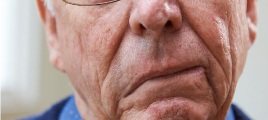
- Deviation of the angle of mouth
In case any of these symptoms appear, the patient or carer should inform emergency and try to reach the hospital within three hours of the onset of symptoms. Early treatment can minimize long term disability and improve survival.
On arrival to hopspital the doctor will examine the patient and will order investigations to confirm the stroke.
What investigations help to confirm the stroke?
The most important investigation to confirm stroke is Computerized Tomography (CT) scan of the brain which will confirm weather the stroke is because of blockage or bleeding of an artery.
Why early emergency care should be sought in stroke?
Early emergency care is important in optimizing the management of ischemic stroke as it will improve the chances of recovery and will minimize damage to brain.
If patient reports in three hour period:
If patient arrives within three hour period the damage to brain can be minimized by administering the group of drugs called tissue plasminogen activator (TPA).
The drugs included in TPA group are:
1.Alteplase
2.Tenecteplase
3.Reteplase
All these drugs can be used in ischemic stroke but Alteplase is FDA approved for treatment of acute stroke.
If patient reports within 6 hours of stroke:
If patient reports within 6 hours and not a candidate for tPA then clot can be removed by minimal invasive surgery called thrombectomy which removes thrombus and restores blood flow to affected part of the brain.
Both these measures can improve survival and decrease long term morbidity caused by stroke.
What is the difference between Alteplase and Tenecteplase?
Both alteplase and tenecteplase work by activating plasminogen, a protein in the blood that helps to break down clots.
Alalteplase is the only FDA approved drug for use in steoke patients.
Alteplase is recombinant form of tissue plasminogen activator (tPA), which is a natural protein in the body that helps to break down clots.
Tenecteplase is a modified form of tPA that has been engineered to have a longer half-life in the bloodstream, it has more fibrin specificity, which makes it more effective at dissolving clots.
Recently, many clinical trials compared the efficacy of Alteplase versus Tenecteplase and found no difference in their efficacy in dissolution of clots. There were many advantages of administering Tenecteplase over Alteplase, which led to recommendation of Tenecteplase over Alteplse for acute stroke. These advantages are mentioned as follows:
- Adminsteration: One of the main advantages of tenecteplase over alteplase is that it can be given as a single bolus injection, while alteplase requires a longer infusion over a period of 90 minutes. This makes tenecteplase more convenient to administer and may be less likely to cause side effects such as bleeding. However, tenecteplase also carries a slightly higher risk of intracranial hemorrhage (bleeding in the brain) than alteplase.
- Expertise: The administration of Tenecteplase requires a bit expertise and drug is given through infusion pump, with initial bolus dose of 0.09mg/kg bolus followed by infusion of 0.81 mg/kg over 90 minutes. The dose calculation and requirement of infusion pump doesn’t make Alteplase suitable for use in minor stroke units where less trained staff is available. On the other hand the dose of Tenecteplase is 25mg/kg given stat over 5 seconds, which doesn’t require any expertise and also reduces the window period of thrombolysis by one hour which is a great advantage.
- Cost: The cost of Tenecteplase is much lower compared to Alteplase, which is another advantage and makes it more suitable to be used in resource limited countries.
Why Tenecteplase not approved by FDA for stroke?
Tenecteplase is not yet approved by FDA for stroke and it is only approved for Myocardial Infarction, many ongoing clinical trials and meta analyses have recommended to switch to Tenecteplase due to its fibrin specificity, low cost and ease of administration. Its off label use for stroke is being practised in many countries and it is hoped that Tenecteplase will replace Alteplase as first line treatment for acute ischemic stroke.
Is TPA therapy widely available in developing countries?
The availability of tissue plasminogen activator (tPA) is limited in developing countries due to its high cost and lack of infrastructure to help the patient to reach specialized stroke unit within 3 hours window period. The number of stroke units and neurologists is also limited. Few developing countries have tried to administer tPA but widespread availability could not be made possible due to
What are the challanges faced by developing countries in optimizing early stroke care through TPA?
Tissue plasminogen activator (tPA) therapy was approved for acute ischemic stroke in 1996 but still it could not be adopted worldwide. Many challenges are involved in developing countries, which prevent the use of intravenous tissue plasminogen activator (tPA) as a first line treatment for stroke,
Stroke thrombolysis is currently being practised in few developing countries including Brazil, Argentina,Senegal ,Iran, Pakistan, Thailand and India.
The two main barriers for lack of implementation of thrombolytic therapy are cost and lack of infrastructure to treat acute stroke in recommended window period.
The following challanges are mainly involved in developing countries causing lack of optimal stroke care.
Lack of awareness and education: The first and most important barrier is lack of public awareness and education to recognize early symptoms of stroke. Therefore, in routine most of the patients are brought to hospital after hours of developing stroke. Even if tPA facility is made available, most of the patients are not eligible to recieve tPA.
Lack of infratructure to transport the patients in time: In most of the countries, either emergency medical service is unavailable, or it is not fully effective. Emergency service may take time to arrive due to inreased traffic load. Most of the patients are transported to hospital by family and lack of knowledge regarding hospital set up wastes more time.
In hospital Barriers:
Most of tertiary care hospitals lack the facility to treat stroke patients. There are no specialized stroke units equipped to recieve and treat acute stroke patients. The number of neurologists is low.
The High Dependency Units to monitor stroke patients after thrombolytic therapy are not developed.
The facility to perform and report CT scan for early diagnosis of stroke is not available round the clock.
tPA availability and cost:
Due to high burden of stroke patients, tPA therapy could not be made widely available to patients. Most of the health budget is directed to treat infectious diseases, which are highly prevalent in developing countries. In most of developing countries tPA therapy is being offered by private sector and could not be widely made availabe at public level.
What could be done to overcome the challanges faced by developing countries in early stroke care?
Most of the developing countries including Pakistan are facing huge economic crisis and healthcare burden and demands are increasing day by day but few steps can be immediately taken to improve stroke care.
There should be public campaign to increase awareness regarding primary prevention of cardiovasular disesases and early recognition of symptoms of heart attack and stroke.
The government should allocate budget to develop Emergency Medical Service and develop awareness in public to use it.
Specilized stroke centres euipped with all the facilities should be established in all major cities.
The units should be licenced to use tPA, in Pakistan only Alteplase is approved for treatment of acute stroke but swtching to Tenecteplase would be more cost effective and convenient in future.
As far as thrombectomy is concerned, its implementation requires more expertise and needs a comprehensive future plan to improve stroke outcome.
In Summary, the early stroke care according to recommended treatment guidelines is a task yet to be achieved in developing countries.
Increased awareness of public to recognise stroke symptoms and development of healthcare infrastructure, emergency services and well equipped and staffed stroke units should be the priority of government to achieve fast stroke management and minimize disability from stroke.
Considering Tenecteplase instead of Alteplase will also help to achieve the task more conveniently, with reduced cost and equal efficacy.

 healthinfo